RDS Design System
Building a unified and scalable interface system by bringing together two disconnected design languages into one shared visual foundation.
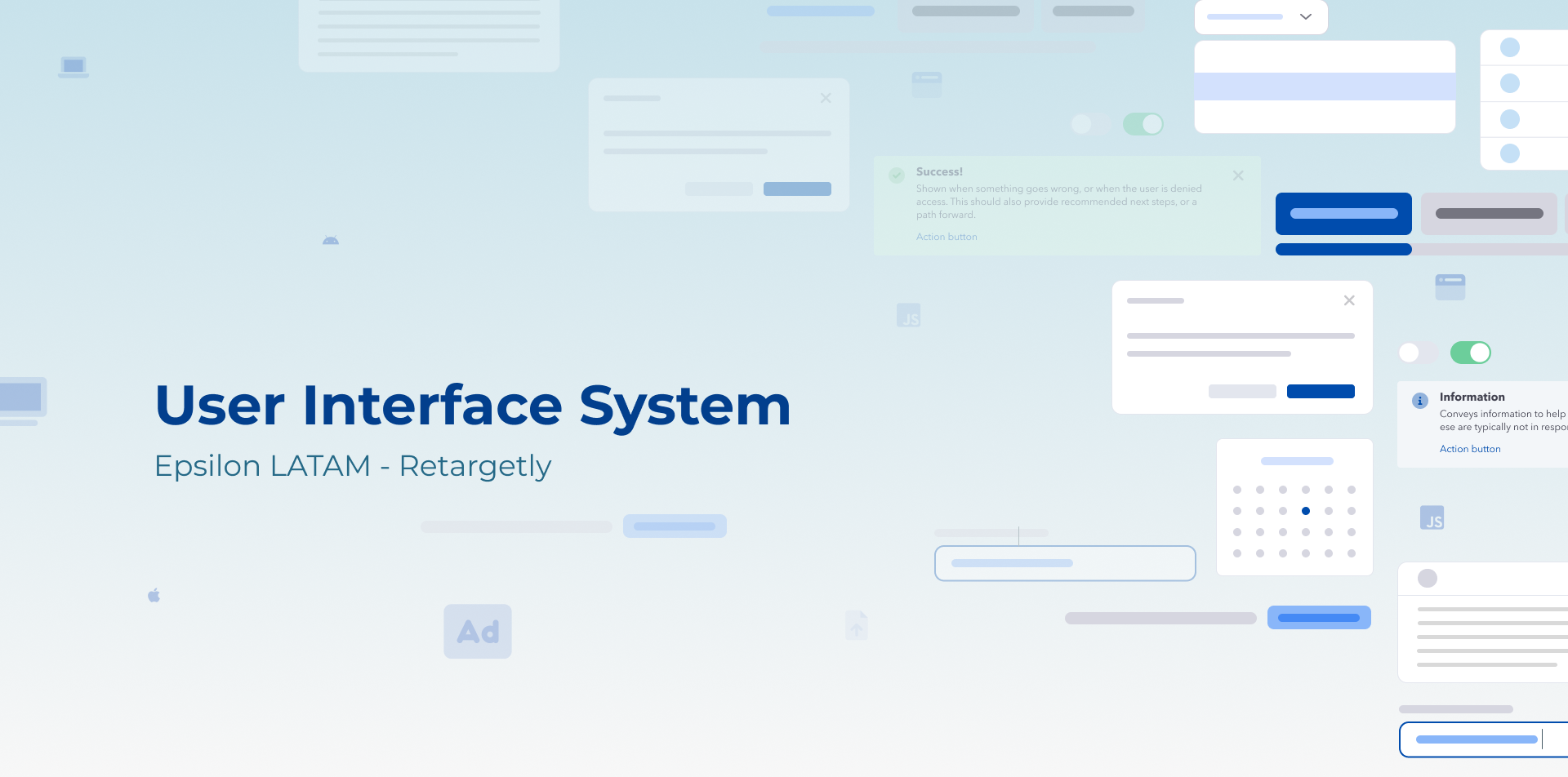
Two platforms.
One shared design language.
The two platforms had evolved independently, resulting in different visual languages, component behaviors, and interface patterns. This fragmentation made it difficult to maintain consistency across products and created additional complexity for design and development teams.
The goal was to bring both experiences together through RDS, a unified design system that established shared foundations, reusable components, and clear guidelines for both platforms.
"Creating a shared design language that could connect two different product environments while remaining consistent, scalable, and easy to maintain."
Creating consistency across different product environments
The challenge was to consolidate two disconnected design languages into one coherent structure without losing sight of the needs of each platform. I reviewed the existing systems, identified inconsistencies, and defined a new visual direction. The objective was to establish common rules for visual elements, component behavior, and interaction patterns. This required more than visual standardization: the system needed a clear architecture that could support reuse, maintenance, and consistent implementation.
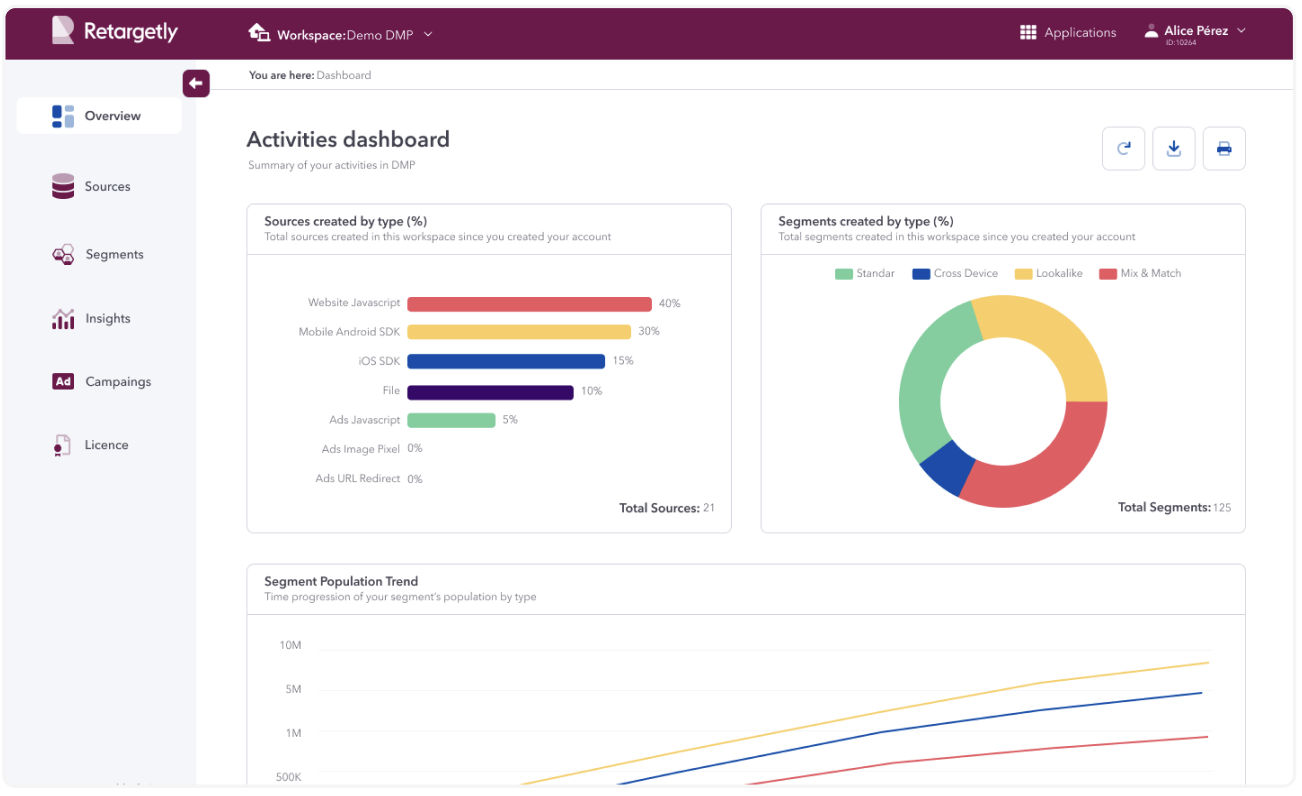
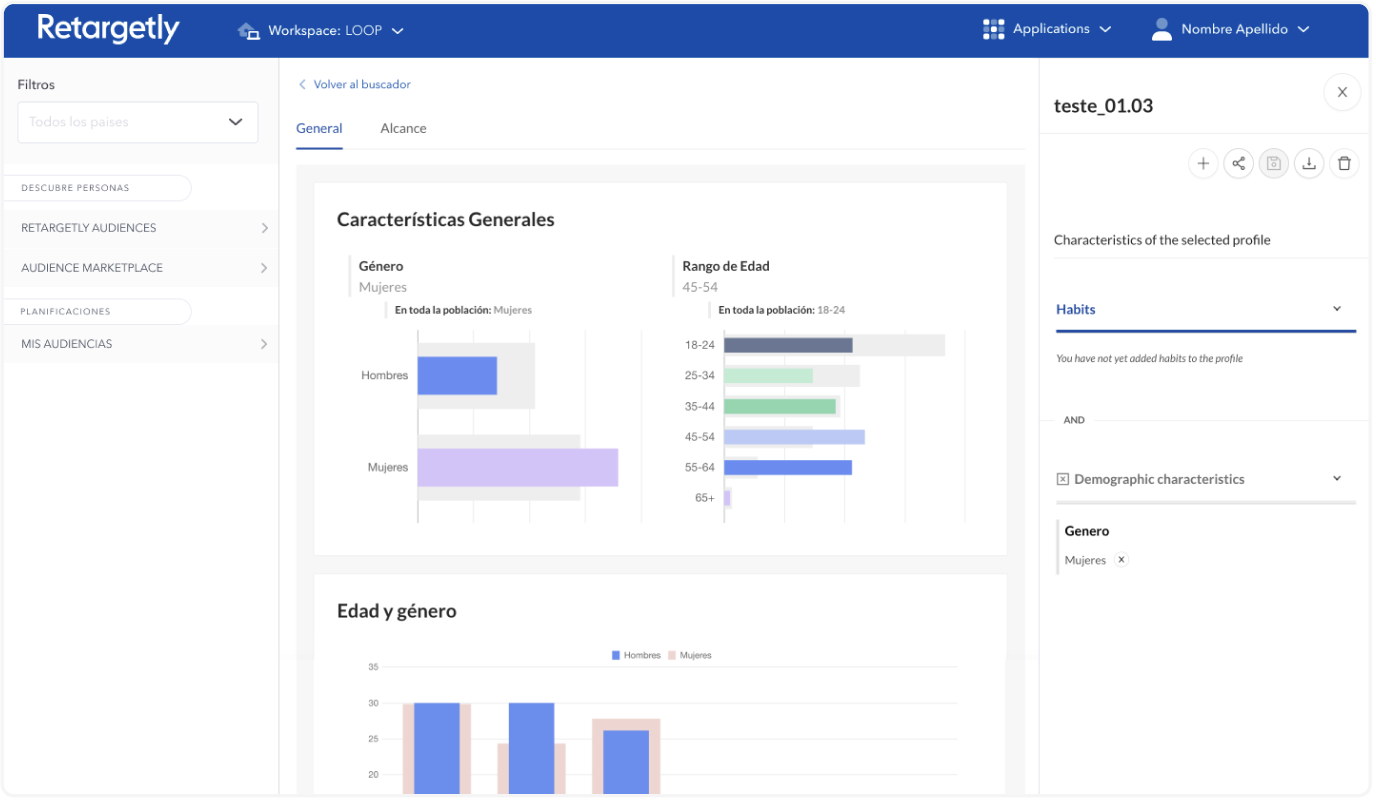
Audit & Architecture
Before building the new system, I conducted an audit of the existing design systems and interfaces to understand their current state, identify inconsistencies, and uncover opportunities for improvement.
The goal was to understand what could be reused, what needed refinement, and what had to be redesigned.
This involved:
- Reviewing existing components and design decisions
- Identifying visual patterns and inconsistencies
- Analyzing user experiences across both platforms
Based on these findings, I restructured the information architecture of the Design System, defining a clearer organization for its foundations, components, variants, and properties. This audit and restructuring phase established the direction for RDS, ensuring that the new system was not just visually consistent, but also better organized, scalable, and easier to maintain.
Defining the foundations of a unified system
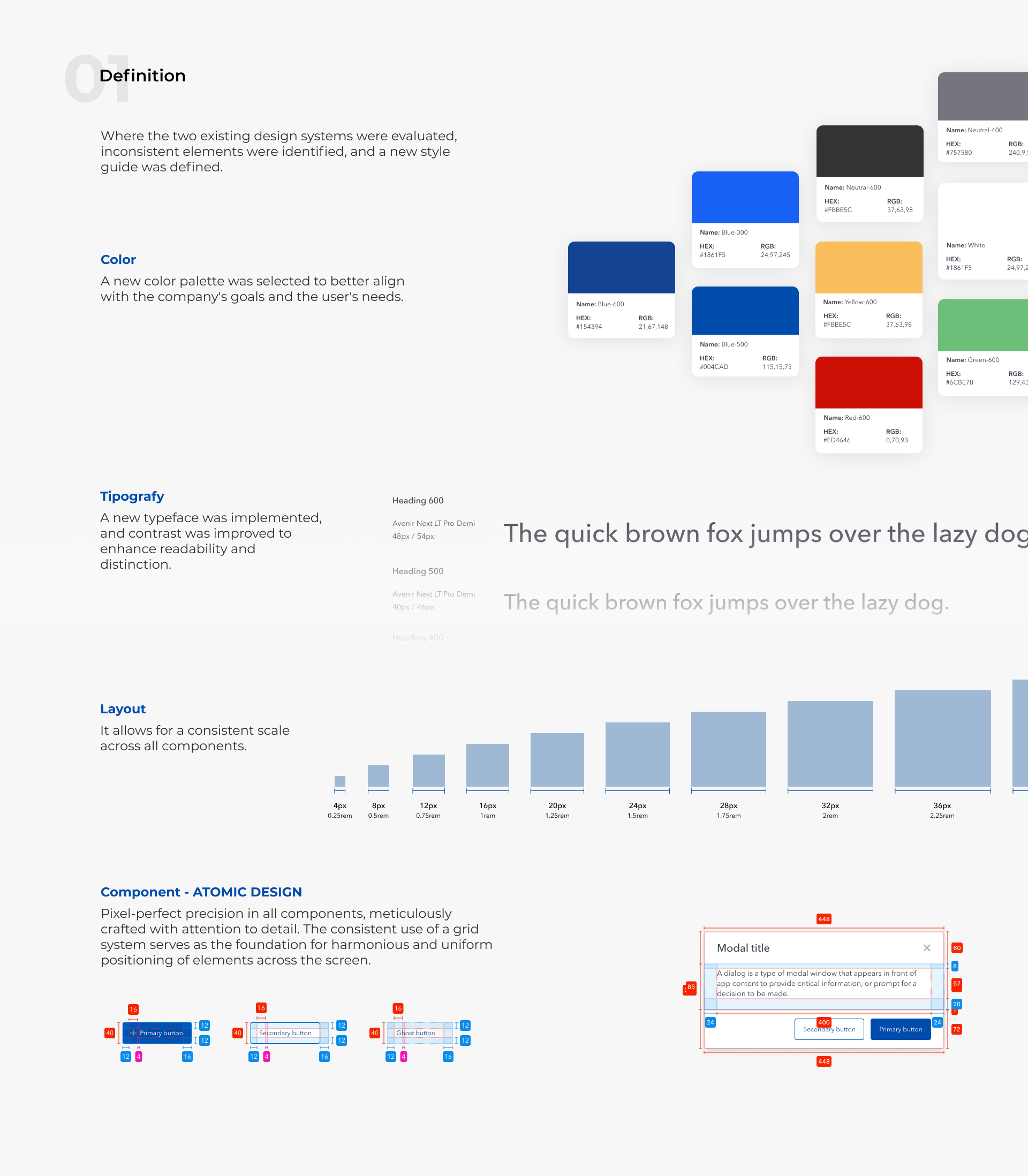
I established the visual foundations of RDS, defining the rules that would guide the entire component library. This included color, typography, spacing, grid, variables, and design tokens. I also worked on improving readability, visual hierarchy, and consistency across the interfaces. These foundations provided a shared reference for building components and maintaining a coherent experience across both platforms.
From foundations to a scalable component library
I led the creation and organization of the RDS component library, applying Atomic Design principles to structure reusable interface elements. The library included components and patterns with standardized visual properties, measurements, variants, and interaction states. I worked on defining component properties and behaviors to make the library consistent, flexible, and easier to maintain across both platforms. The result was a shared UI foundation that supported more consistent design decisions and provided a clearer reference for implementation.
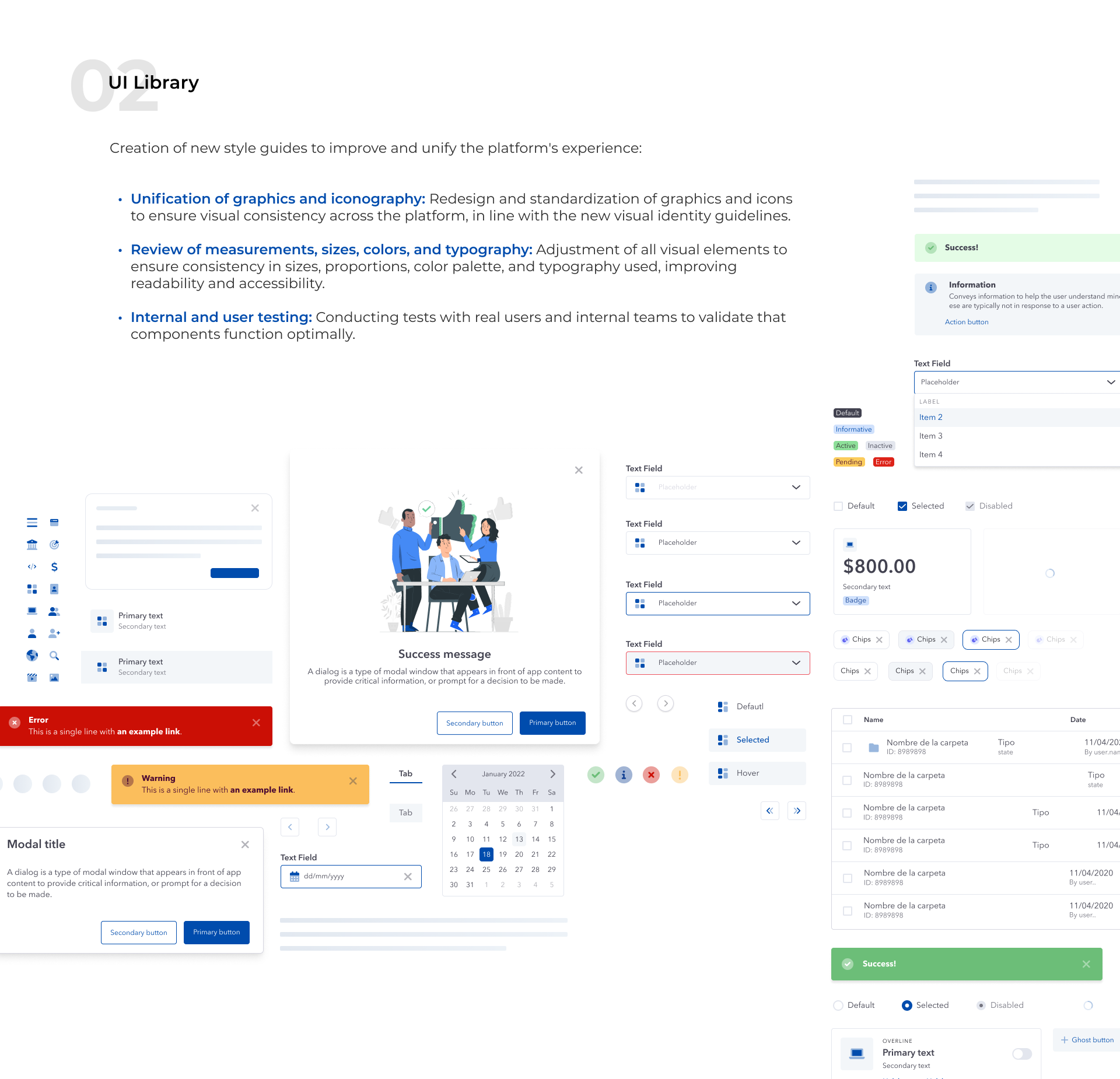
The library included reusable elements and patterns designed to support consistency across the product and make future updates easier to manage.
Making the system understandable and accessible
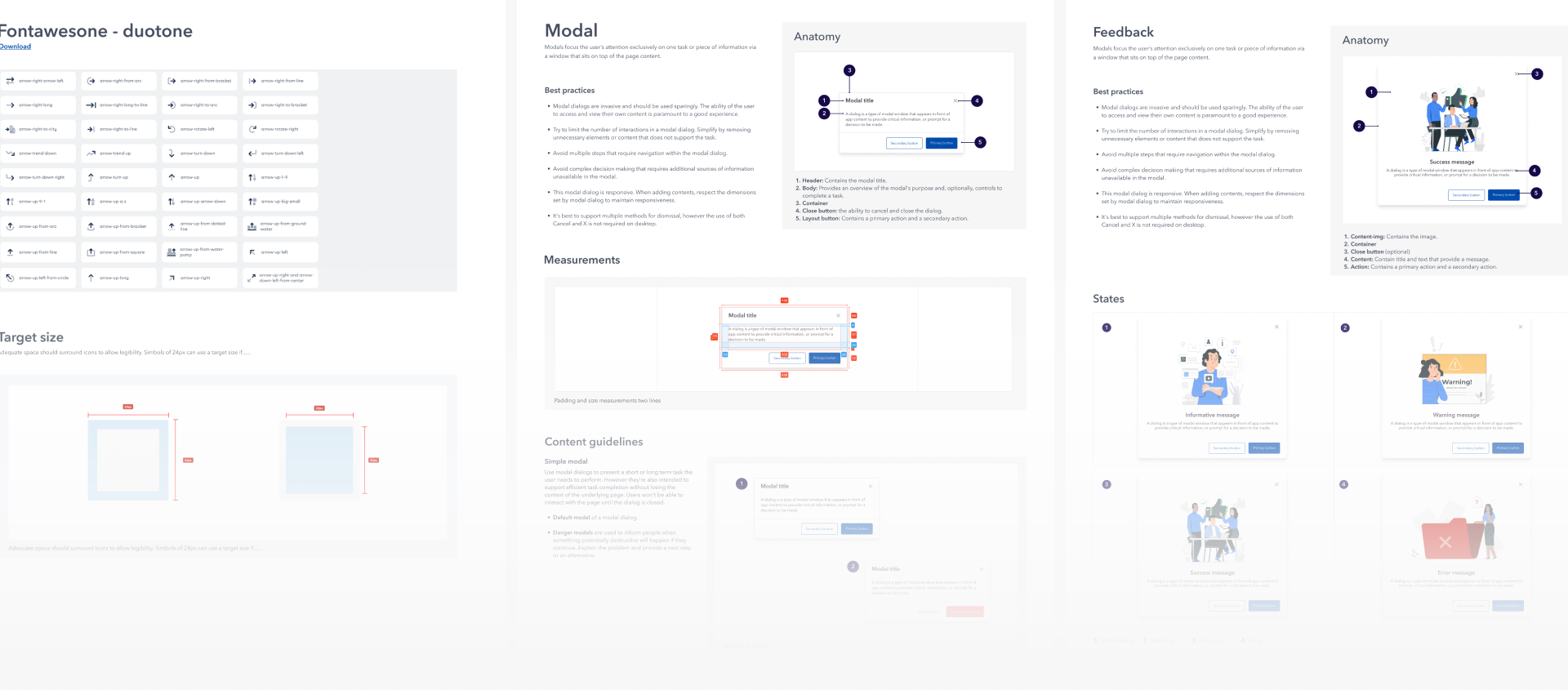
A design system needs more than well-built components: teams need clear guidance on how to use and maintain them. I created and organized the RDS documentation in Zeroheight, centralizing component guidelines, visual specifications, properties, measurements, and usage recommendations. This provided a shared reference for the teams working with the system and supported consistency between design decisions and implementation.
Bringing the design system into both platforms
I collaborated directly with the development team throughout the implementation process, clarifying component specifications, behaviors, and design decisions. RDS was implemented across both platforms, translating the shared foundations and component library into a consistent product experience. This stage was essential to ensure that the system worked beyond the design files and could be adopted within the actual product environments.
One system. Two platforms. A shared foundation.
RDS established a unified visual and functional language across both platforms, creating a common foundation for design and development.
Design systems unified
Consistent foundations and interface patterns across the platforms.
Reusable components
A standardized set of components to support product development.
Centralized documentation with designers and developers using it
A shared reference for design and development teams.
Designing beyond individual components
Leading RDS from its foundations to implementation reinforced my understanding of design systems as a product-wide discipline rather than a collection of reusable UI elements. The process involved defining shared principles, structuring components, documenting decisions, and collaborating closely with development to ensure the system could work consistently across different product environments.
It also reinforced an important principle: a design system creates value when it is not only well designed, but understood, adopted, and implemented by the teams that use it.